Spending Hours at Your Desk? Your Neck Might Need Some Professional Attention
If you spend most of your day typing, scrolling, or sitting in meetings, your neck's probably doing more work than you realize. Sitting with your head forward, shoulders rounded, and staying still for long periods makes the muscles at the base of your skull and along your upper back feel constantly tight. Over time, this tension can lead to headaches, less mobility, and stiffness that makes even simple tasks harder.
The good news? Desk-related neck pain is often manageable with the right mix of movement, awareness, and professional support. In this guide, we'll explain why desk work affects your neck, what signs to watch for, and how therapeutic massage can help you feel better. If you're already looking into clinical massage or want something more focused than a basic relaxation session, you'll find out when targeted care may be the better choice. To see how common work-related discomfort is, check out the CDC’s ergonomics resources.
Why Desk Work Affects Your Neck So Much
Staying Still Creates Strain
Your neck is built to move, not stay put for hours. When you're at a desk, especially with a monitor that's too low or a laptop that makes you slouch, the muscles in your neck have to work constantly to stabilize your head. Even a small forward shift can add strain to your cervical spine and upper trapezius muscles.
That's why you might feel a dull ache by midafternoon or a burning sensation at the top of your shoulders after a long work session. It's not usually one single movement that causes the problem. Instead, it's the repeated tension from staying still, shallow breathing, stress, and few breaks. Over time, your body gets used to this pattern, and tightness starts to feel normal even when it's not.
Stress Shows Up in Your Shoulders and Jaw
Work stress doesn't just stay in your head. Many people unconsciously shrug their shoulders, clench their jaw, or hold their breath when they're focused. These patterns add to neck tension and can lead to headaches, jaw soreness, and fatigue. If this sounds familiar, pairing neck-focused care with jaw tension and TMJ massage might help address the connected pattern instead of treating just one symptom.
Neck pain often connects with upper back stiffness and restricted chest movement. When the front of the body is tight, shoulders tend to roll forward, putting more strain on the neck. A truly effective plan usually looks beyond the neck alone and considers the whole posture chain. For more on body mechanics and pain patterns, the National Institute of Neurological Disorders and Stroke offers useful insights on neck pain.
Common Signs Your Neck Needs More Than a Stretch
Recurring Soreness After Work
If your neck feels fine in the morning but worsens as the day goes on, it's a sign your desk setup or habits are contributing to the issue. Stretching might help temporarily, but recurring soreness usually points to a deeper pattern of overuse. You might notice stiffness when turning your head while driving or discomfort when looking down at your phone.
Check if the pain is localized or spreads to your shoulders, upper back, or head. Neck tension often refers pain to surrounding areas because muscles and connective tissues are interconnected. A focused session of deep tissue massage might help reduce long-held restrictions, especially when symptoms are tied to chronic postural strain.
Headaches, Tingling, and Fatigue
Neck issues aren't always just aches. Some people notice tension headaches, reduced concentration, or fatigue that seems disproportionate to the amount of sitting they've done. Others experience tingling, numbness, or sharp pain in their arms. These symptoms may indicate that neck muscles are compressing or irritating nearby structures and shouldn't be ignored.
If your discomfort is mild but persistent, professional bodywork can be a practical next step. If it's severe, worsening, or accompanied by weakness, a medical evaluation is crucial. The Mayo Clinic provides a clear overview of when neck pain may need further assessment. A good rule of thumb: if your symptoms interfere with daily life, they deserve more than a quick stretch at your desk.
How Professional Massage Helps Neck Recovery
Targeted Work Changes Patterns, Not Just Symptoms
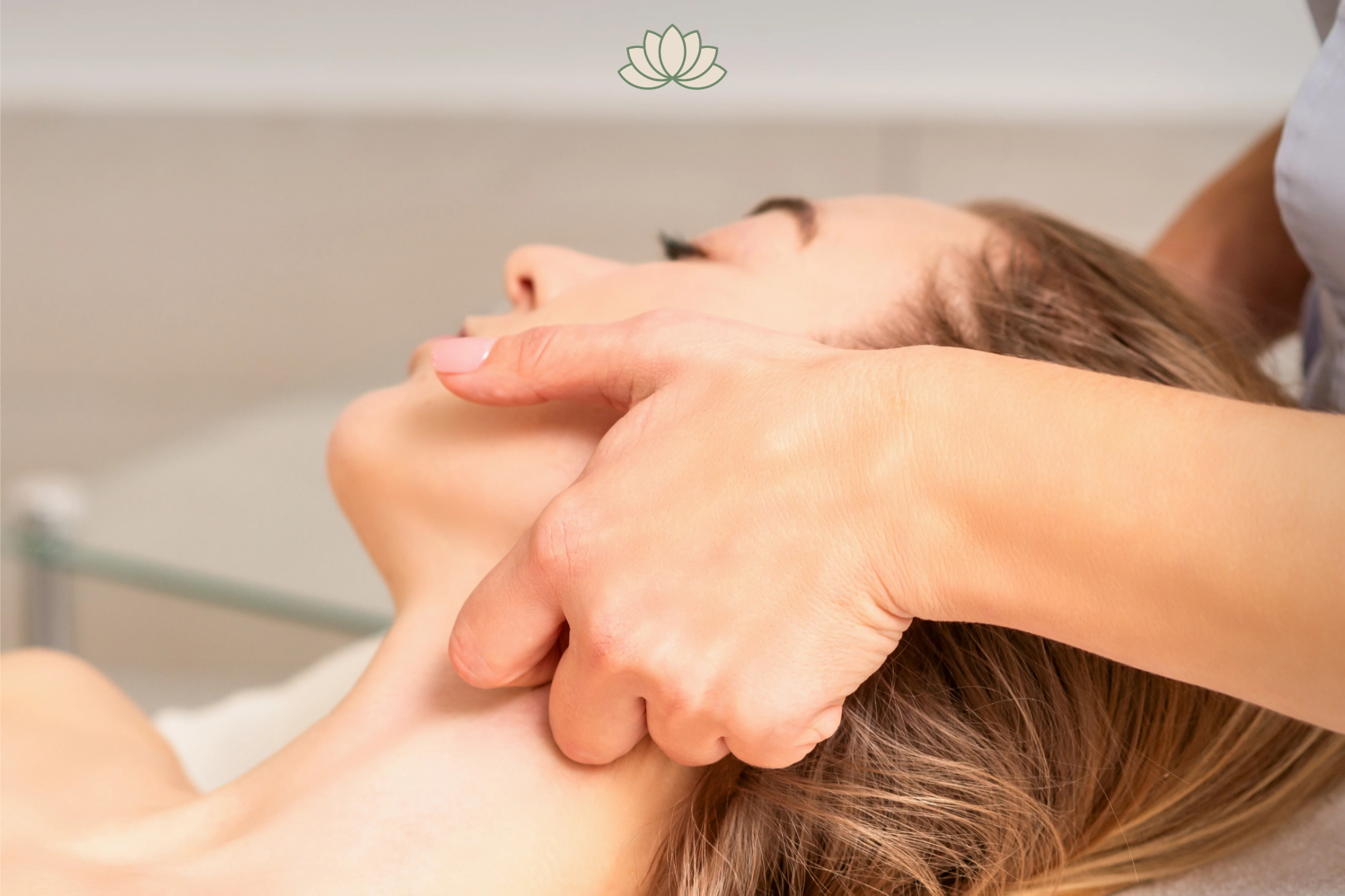
Professional massage can do more than make your neck feel temporarily looser. A skilled therapist can assess which muscles are guarding, where tension is spreading, and how to treat the cause rather than just the pain. For many desk workers, this focused care is what's needed to restore movement and reduce that "always tight" feeling.
A treatment plan might include gentle techniques to calm the nervous system, firmer pressure for stubborn knots, and myofascial work to improve tissue glide. If you've been dealing with recurring stiffness, a session of myofascial therapy can be especially useful when connective tissue restrictions limit your posture and range of motion. In some cases, a therapist might also recommend craniosacral therapy when stress-related guarding makes it hard for your body to fully relax.
Massage Improves Mobility and Reduces Compensations
When the neck is tight, people often compensate by moving their torso instead of their head. This can make driving, checking blind spots, and even reading more uncomfortable. Therapeutic massage may help improve tissue pliability and decrease protective guarding, making normal movement easier again. The result is not just less pain, but more efficient movement throughout the day.
This is one reason many people find that consistent care works better than a single "fix it" appointment. As tissues respond and movement patterns improve, your body stops bracing so hard against everyday desk strain. If swelling or inflammation is part of your picture, lymphatic drainage massage might also be considered as part of a broader recovery plan, depending on your needs and tolerance.
What a Therapeutic Neck Session Looks Like
Session Starts with Your Goals and Symptoms
A good appointment starts with a conversation. Your therapist may ask where you feel pain, how long symptoms have been present, what your workday looks like, and what makes things worse. This matters because neck pain from desk work isn't the same for everyone. Some clients need help with headaches, while others need mobility work for stiffness or relief from shoulder tension.
At Free Movement Bodywork, this type of assessment helps shape a plan that fits your body rather than forcing you into a generic routine. Depending on your needs, your session may blend chronic pain massage, relaxation-focused work, and detailed muscle therapy. The goal is to create enough change that you leave feeling better while also building toward longer-term improvement.
Work May Include Several Related Areas
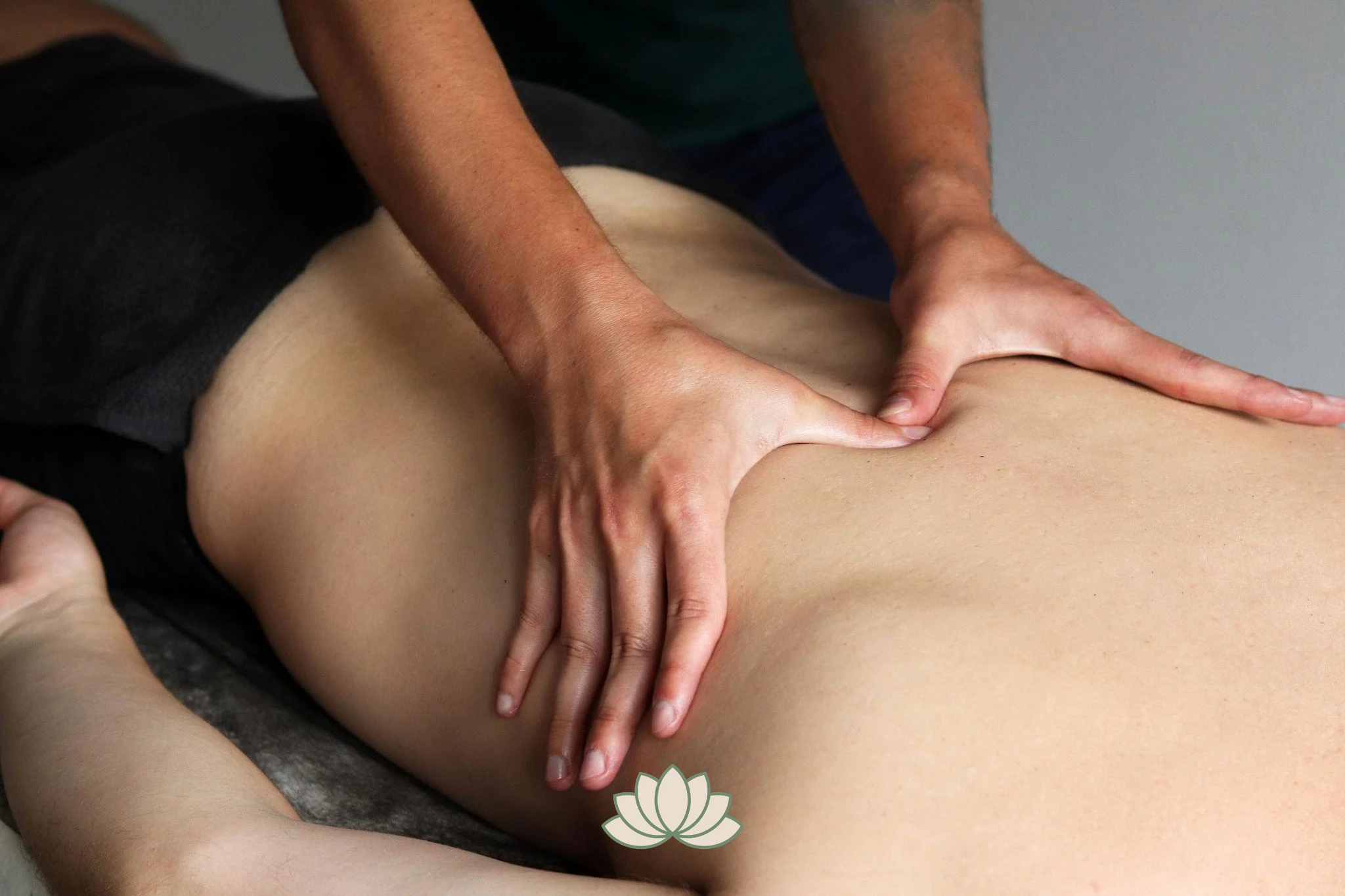
Because neck strain rarely lives in one spot, your therapist may work on the chest, shoulders, upper back, jaw, scalp, and even the ribs. Opening the front of the body can reduce the forward pull that aggravates neck muscles. Releasing the upper back may help the shoulders settle, reducing strain on the cervical spine.
Some clients also benefit from acupressure massage, especially when they want a technique that supports relaxation while still addressing sensitive points of tension. Others may respond well to deeper work focusing on stubborn restriction. The best approach depends on your tissue sensitivity, symptom history, and how your nervous system responds to touch on a given day.
Desk Ergonomics That Make Massage Work Better
Small Workstation Changes Protect Your Progress
Professional care works best when your daily habits don't keep feeding the same problem. That means ensuring your chair, screen, and keyboard support a more neutral posture. Ideally, your monitor should be at eye level, your feet should rest comfortably on the floor, and your shoulders shouldn't be lifted while typing. Even small ergonomic improvements can reduce the effort your neck performs every hour.
Notice how often you lean toward your screen. Many people unconsciously crane their neck forward while reading email or working on detailed tasks. Set reminders to reset your posture every 30 to 45 minutes to interrupt the pattern before it becomes painful. The Occupational Safety and Health Administration offers additional ergonomic guidance for healthier desk habits.
Movement Breaks Work Better Than Waiting Until You Hurt
By the time your neck feels sore, the muscles have already been working overtime. That's why short movement breaks are so valuable. Simple actions like rolling your shoulders, gently turning your head side to side, standing to stretch, and taking a few slow breaths can reduce cumulative strain. You don't need a long workout to help your neck; you need consistent resets throughout the day.
If you work from home, it's easy to sit for hours without interruption. Try pairing movement with routine cues, such as after every meeting, after sending a batch of emails, or before lunch. These micro-breaks, combined with therapeutic care, often produce better results than either strategy alone. For many, the combination of bodywork and better habits finally breaks the cycle of recurring stiffness.
When Deep Tissue Helps and When It Doesn't
Deeper Pressure Can Help Chronic Tightness
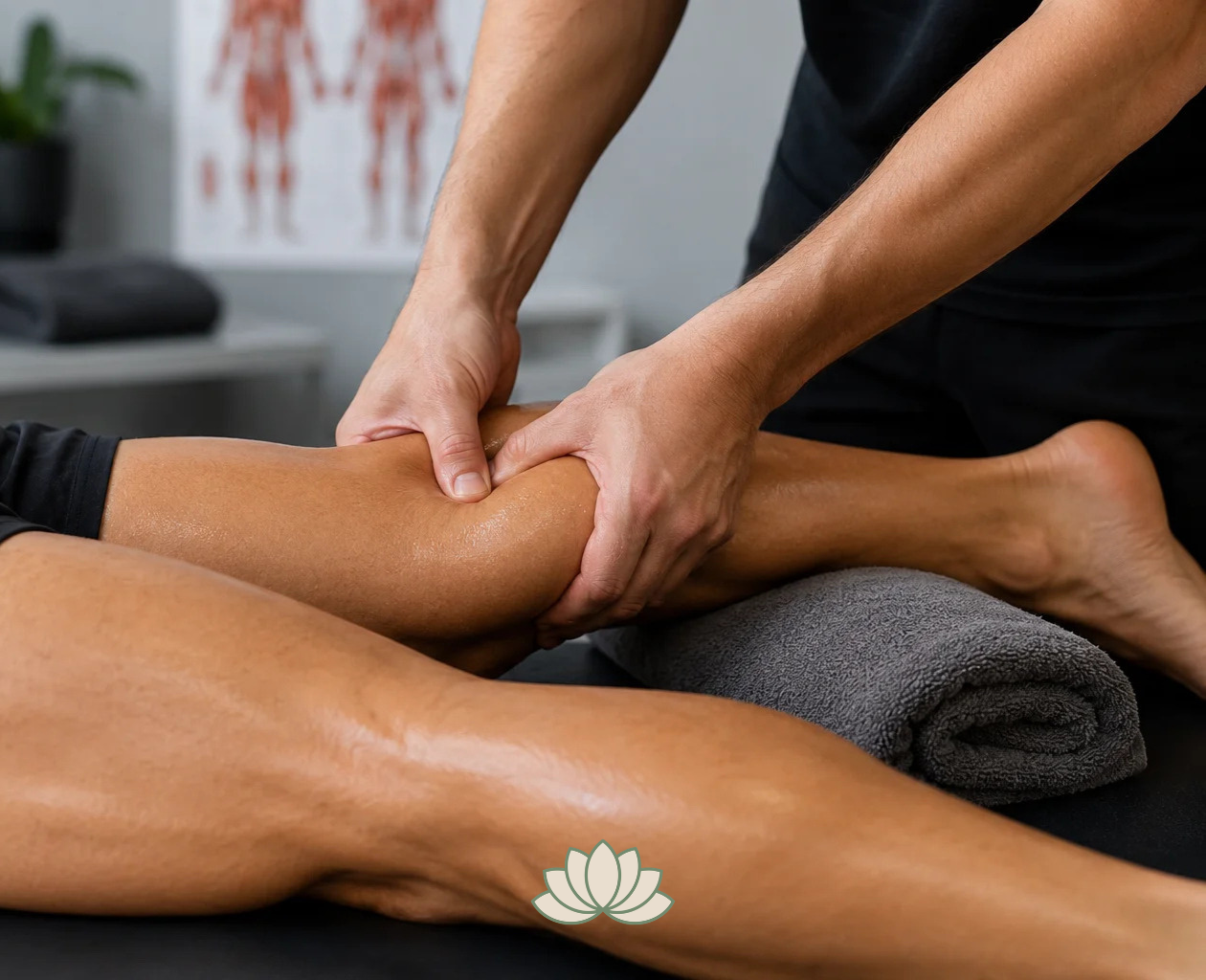
Some neck tension lives in superficial muscle layers, but other cases involve deeper holding patterns that need more specific work. When tissues have adapted to years of slouching, stress, or repetitive desk tasks, a gentle session alone may not be enough. In those situations, chronic pain massage or deep tissue massage can help address the denser, less mobile areas that keep pulling the body out of balance.
That said, deeper doesn't always mean better. Effective pressure should be tolerable and responsive to your feedback. If the body is already inflamed or highly sensitized, too much intensity can cause guarding instead of release. The best therapists adjust pressure based on what your tissues and nervous system can actually use, not on a one-size-fits-all idea of what "good massage" should feel like.
Gentler Approaches Have Their Place Too
Sometimes the neck is tight because the nervous system is overwhelmed, not because the tissue needs aggressive work. In those cases, calming the system first can make all the difference. Techniques that are slow, intentional, and soothing may help the body lower its baseline tension so that more direct work becomes possible later.
This is where a customized approach matters. One client may benefit from deeper trigger point work; another may need slow, measured pressure and craniosacral-style unwinding. If you're unsure which is right for you, a consultation with a trained therapist can help clarify the best starting point. Professional care should feel collaborative, not forced.
How Neck Pain Connects to the Rest of Your Body
Shoulders, Jaw, and Upper Back Join the Pattern
Your neck isn't isolated. If your shoulders are elevated, your chest is tight, or your upper back is rigid, your neck usually compensates. That's why many people with desk-related discomfort also report tension across the upper traps, stiffness between the shoulder blades, or jaw tightness by the end of the day. Treating one area without considering the others can leave the main pattern untouched.
For example, chronic clenching may create a cycle where the jaw, temples, neck, and shoulders all reinforce one another. In that case, an integrated plan that includes jaw work, postural education, and possibly pelvic support massage for whole-body alignment can make more sense than focusing only on the site of pain. When the body works as a connected system, care should reflect that same reality.
Breathing Mechanics Matter More Than Most Realize
Shallow breathing is common during focused computer work, especially during stressful periods. When the diaphragm isn't doing enough work, accessory muscles in the neck and chest often step in. That extra effort can keep the upper body in a heightened, overactive state. Better breathing isn't a magic cure, but it can reduce the load your neck carries throughout the day.
Some bodywork approaches aim to restore easier rib movement and reduce chest tightness so the breathing pattern can improve naturally. That's one reason people with desk-related strain may feel surprisingly better after a session that includes the ribs, upper back, and front body, not just the neck itself. Small changes in mechanics can create big changes in comfort.
What Results You Can Expect
Short-Term Relief and Long-Term Change Work Together
Many people notice their neck feels looser, lighter, and easier to move immediately after a massage session. That short-term relief is valuable, especially if pain has been affecting your work or sleep. But the bigger goal is helping your body stay better between appointments by reducing the tension patterns that keep returning. That usually takes repetition, a few habit changes, and patience.
It's realistic to expect gradual improvement rather than a total overhaul after one visit. Some people see better range of motion within a few days, while others need a series of sessions to calm persistent holding patterns. The more consistent your care and self-awareness are, the more likely you are to notice durable improvements.
Recovery Is Usually Better with a Plan
If your neck pain has lasted for months, a structured plan can be more effective than occasional treatment. That might include periodic massage, workstation adjustments, better hydration, more frequent breaks, and simple stretching or strengthening suggestions. A proactive plan often prevents the cycle of "pain, rest, pain again" that many desk workers know too well.
Clients who combine professional care with daily self-management often report feeling more capable at work, more comfortable while driving, and less drained by the end of the day. That's the real measure of progress: not just a softer neck, but a body that feels more resilient in ordinary life. For many, consistent bodywork becomes part of their long-term wellness routine rather than a last resort.
When to Seek Professional Help
Persistent Tension Is Worth Addressing Early
If your neck tightness is becoming part of your daily routine, waiting usually makes the problem harder to unwind. Early care can prevent compensations from spreading into your shoulders, jaw, and upper back. It also gives you a clearer picture of which habits are contributing to the strain before the pattern becomes more entrenched.
Professional massage therapy can be a practical option if you want focused care that addresses both symptoms and the underlying mechanics. At Free Movement Bodywork, the goal is to help people move with less restriction, feel less overwhelmed by tension, and build a plan that makes real life easier. That may include one modality or a combination of several, depending on what your body needs most.
Know the Difference Between Soreness and a Warning Sign
Not every ache is a crisis, but not every ache should be ignored either. If your pain is worsening, interfering with sleep, causing frequent headaches, or accompanied by numbness or weakness, it's time to seek professional evaluation. Massage therapy can be a valuable part of care, but it should complement appropriate medical attention when needed.
When you're ready to explore options, you can learn more about relaxation massage for stress relief or compare it with more targeted therapy when your symptoms require a clinical approach. The right treatment is the one that matches your goals, comfort level, and what your body is telling you.
Frequently Asked Questions About Desk-Related Neck Pain
How Often Should I Get a Massage if I Work at a Desk?
That depends on how severe your symptoms are and how quickly tension returns. Some people benefit from weekly or biweekly care at first, then move to maintenance sessions once their pain is more manageable. Others only need occasional support during especially busy or stressful periods. A therapist can help you decide what pacing makes sense for your body.
Will Massage Replace Stretching and Exercise?
No, but it can make those habits more effective. When muscles are less guarded, stretching and mobility work usually feel better and produce more useful results. Massage also helps many people become more aware of where they hold tension, making it easier to build healthier movement habits over time.
Can Massage Help if My Neck Pain Comes with Headaches?
Yes, especially when headaches are connected to muscle tension, jaw clenching, or posture strain. Releasing the shoulders, upper back, and suboccipital area can sometimes reduce the intensity and frequency of these headaches. If headaches are sudden, severe, or unusual for you, a medical evaluation is still important.
A Better Neck Starts with Better Support
Desk work doesn't have to mean constant neck pain. When you understand how posture, stress, and repetitive habits affect your body, you can start making changes that help. Professional massage gives you a way to interrupt the cycle of tightness, improve mobility, and feel more comfortable in everyday life. Combined with small ergonomic adjustments and regular movement breaks, it can make a real difference in how your body feels at the end of the day.
If your neck has been asking for help, consider giving it the focused care it deserves. Explore our services, compare what feels right for your symptoms, and choose support that fits your needs. If you're ready to take the next step, contact Free Movement Bodywork to schedule thoughtful, personalized care that helps you move more freely and work with less strain.
For more information about our approach and available treatments, visit Free Movement Bodywork or call (630) 384-9128. We're located at 350 W 22nd St. Suite 112, Lombard, IL 60148, United States.