What Your Body Is Telling You Through Muscle Tightness
Muscle tightness is your body's way of asking for some care. It might show up after a tough workout or a long day hunched over a desk, or it might stick around without a clear reason. While it can be a bit annoying, tight muscles often hint at deeper things like stress, overuse, poor posture, or even dehydration.
Understanding these signals is key because muscle tightness can mess with how you move, sap your energy, and even ruin your sleep. Luckily, a good mix of movement, recovery, and hands-on care can make a difference. If you're looking for something more personalized, services like clinical massage and deep tissue massage can help tackle the root causes of chronic tension, not just the symptoms.
This guide will explain what muscle tightness might mean, what causes it, how to relieve it at home, and when to get some professional help. For more on improving mobility, you might find our post on how bodywork therapy can help you move better and feel less pain useful.
What Muscle Tightness Actually Means
The Difference Between Soreness, Stiffness, and Tightness
Muscle tightness is often that feeling of restriction or tension. It might make a muscle feel shortened or tough to relax, and it can be uncomfortable when you move. Unlike typical soreness after exercise, tightness can pop up even if you haven't been active and might come with less range of motion or a feeling that your body is "holding on."
Stiffness and tightness often get confused but aren't always the same. Stiffness usually means difficulty moving after being still, while tightness feels more persistent in one area. They're often linked to nervous system tension, habits, and repetitive movements. That’s why a quick fix rarely works for long.
How the Body Creates a Tight Feeling
Muscles can feel tight for several reasons, like changes in hydration, circulation, or tissue elasticity. Recent studies are looking into how static stretching affects muscle elasticity, helping us understand how stretching might affect stiffness over time. A recent study dives into how tissue properties respond to different stretch methods, which could refine flexibility practices: research on static stretching and viscoelasticity.
In simple terms, tightness is your body’s way of saying it needs a reset. That could mean movement, rest, hydration, stress reduction, or targeted treatment. The trick is to listen early before the tightness becomes a daily nuisance.
Common Causes of Muscle Tightness
Overuse and Repetitive Strain
A common cause of muscle tightness is overuse. Doing the same motion repeatedly at work, during exercise, or in daily habits can create tension in certain muscles. Runners might feel it in their calves and hips, desk workers in their neck and shoulders, and caregivers in their back and forearms.
When muscles work hard without enough recovery, they may stay in a contracted state. Over time, this reduces flexibility and makes normal movement feel like a chore. Addressing overuse usually means balancing activity with recovery rather than ditching movement altogether.
Stress, Posture, and Nervous System Tension
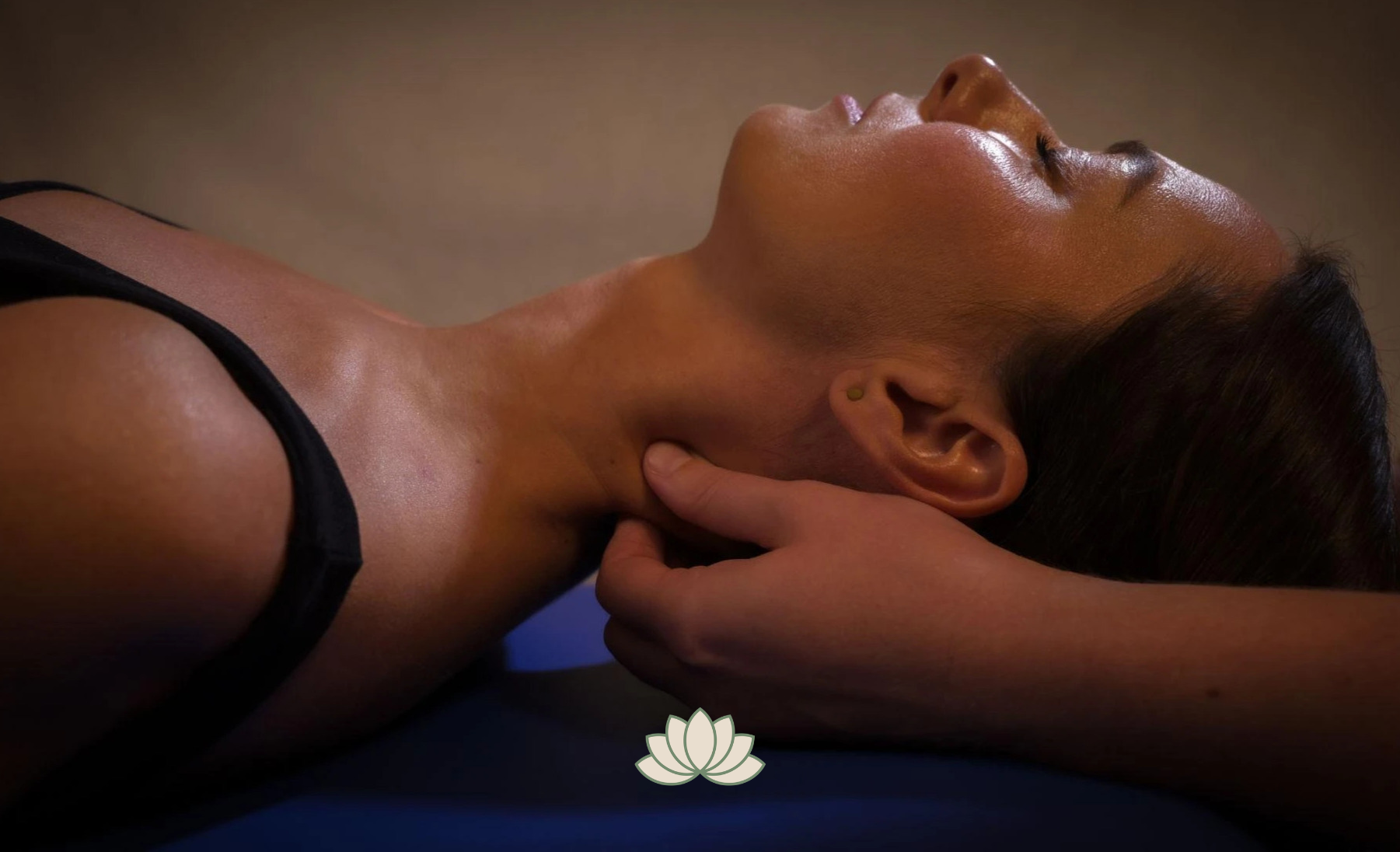
Emotional stress can significantly contribute to muscle tightness. When the nervous system is stressed, the body often braces through the jaw, neck, shoulders, abdomen, or lower back. People often notice tension during busy times, conflicts, poor sleep, or anxiety.
Bad posture can make this worse. Long periods of slouching or sitting can cause muscles to work inefficiently and become overactive. According to the National Heart, Lung, and Blood Institute, unmanaged stress affects the body in many ways, and muscle tension is a common sign.
Dehydration, Weakness, and Underlying Conditions
Dehydration and low electrolytes can lead to cramping and a tight feeling in the muscles. Weak supporting muscles might force other areas to compensate, creating strain and tension in places not built for the workload. In such cases, the body often protects itself by limiting movement or increasing tension around a vulnerable area.
Sometimes, muscle tightness is linked to conditions like fibromyalgia, myofascial pain syndrome, nerve irritation, arthritis, or other systemic issues. If tightness is widespread, long-lasting, or comes with numbness, swelling, or severe pain, it's best to speak with a healthcare professional.
What Muscle Tightness May Be Telling You
You Might Need More Recovery
When tightness appears after activity and doesn't ease with normal rest, it might mean your body needs more recovery. Recovery isn't just doing nothing; it includes sleep, hydration, nutrition, gentle movement, and stress management. People often underestimate how much tension builds up when recovery is inconsistent.
Regular activity is still important, but the body thrives when effort and recovery are balanced. If you're always pushing through, tightness might be the first sign that you're overdoing it. This is especially true for those who train hard, sit for long periods, or juggle demanding jobs without much downtime.
You Might Be Protecting an Irritated Area
Muscles often tighten up to protect a joint or tissue that feels unstable or painful. This protective response is useful short-term, but if it lasts too long, it can limit motion and create other issues. For example, tight hips may lead to lower back discomfort.
This is where treatments like myofascial therapy or jaw tension and TMJ massage can be helpful. By addressing surrounding tension patterns, these treatments can reduce the need for the body to stay in protective mode.
You Might Be Dealing with Chronic Stress
Persistent tightness in the shoulders, neck, chest, or stomach can reflect long-term stress. Many people notice their muscles feel softer on vacation or during calm periods, then tighten up when life gets busy again. This shows the strong connection between body and mind.
Stress management tools like mindfulness, meditation, breathing exercises, and better sleep can make a real difference. While these strategies don't replace hands-on care, they help prevent the repeated tension that worsens tightness. When stress is involved, a calming treatment like a relaxation massage can support both physical and mental recovery.
Evidence-Informed Ways to Relieve Muscle Tightness
Movement, Stretching, and Warming Up Properly
Gentle movement is one of the most effective first steps for most types of muscle tightness. Walking, light mobility exercises, and easy range-of-motion work can help warm up tissues and reduce that "stuck" feeling after inactivity. In exercise, proper warm-up and cool-down are important because they prepare the body for effort and help it return to rest.
Stretching can be useful, but it works best when done consistently and matched to the cause of tightness. If a muscle is protecting an injury or strain, aggressive stretching might make things worse. A better approach is to start gently, breathe slowly, and include stretching as part of a larger plan that includes strengthening and recovery.
Hydration, Heat, and Self-Care Basics
Simple self-care measures often provide noticeable relief. Drinking enough water, eating balanced meals, and paying attention to electrolytes can reduce cramping and support tissue function. Heat may help muscles relax by increasing blood flow, while cold can be useful when tightness is related to inflammation or recent strain.
These basics are often overlooked because they seem too simple, but they matter. Muscles that are under-fueled, under-hydrated, and never fully rested are more likely to stay tense. The best results usually come from combining small habits instead of searching for a single dramatic fix.
Hands-On Treatment and Professional Care
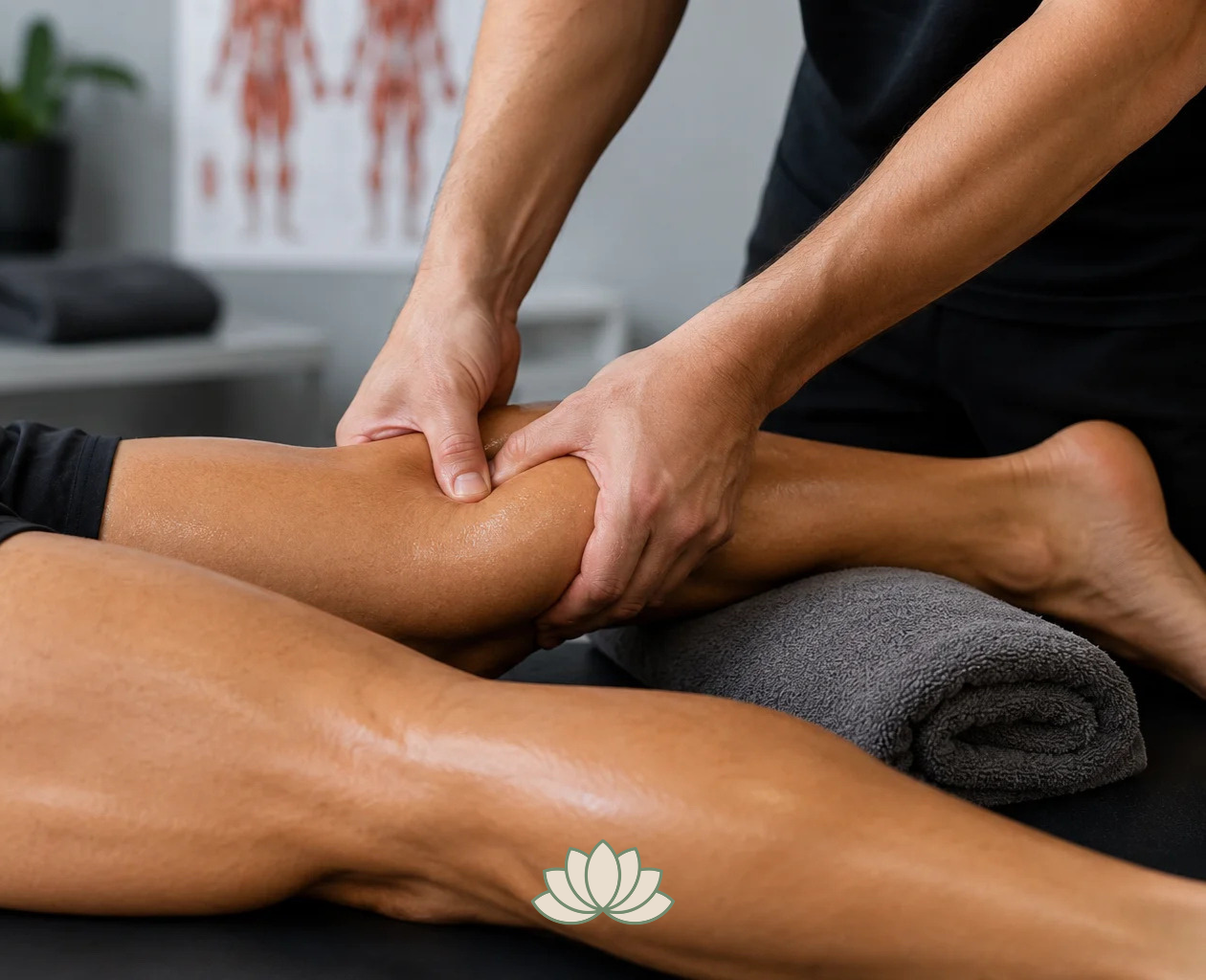
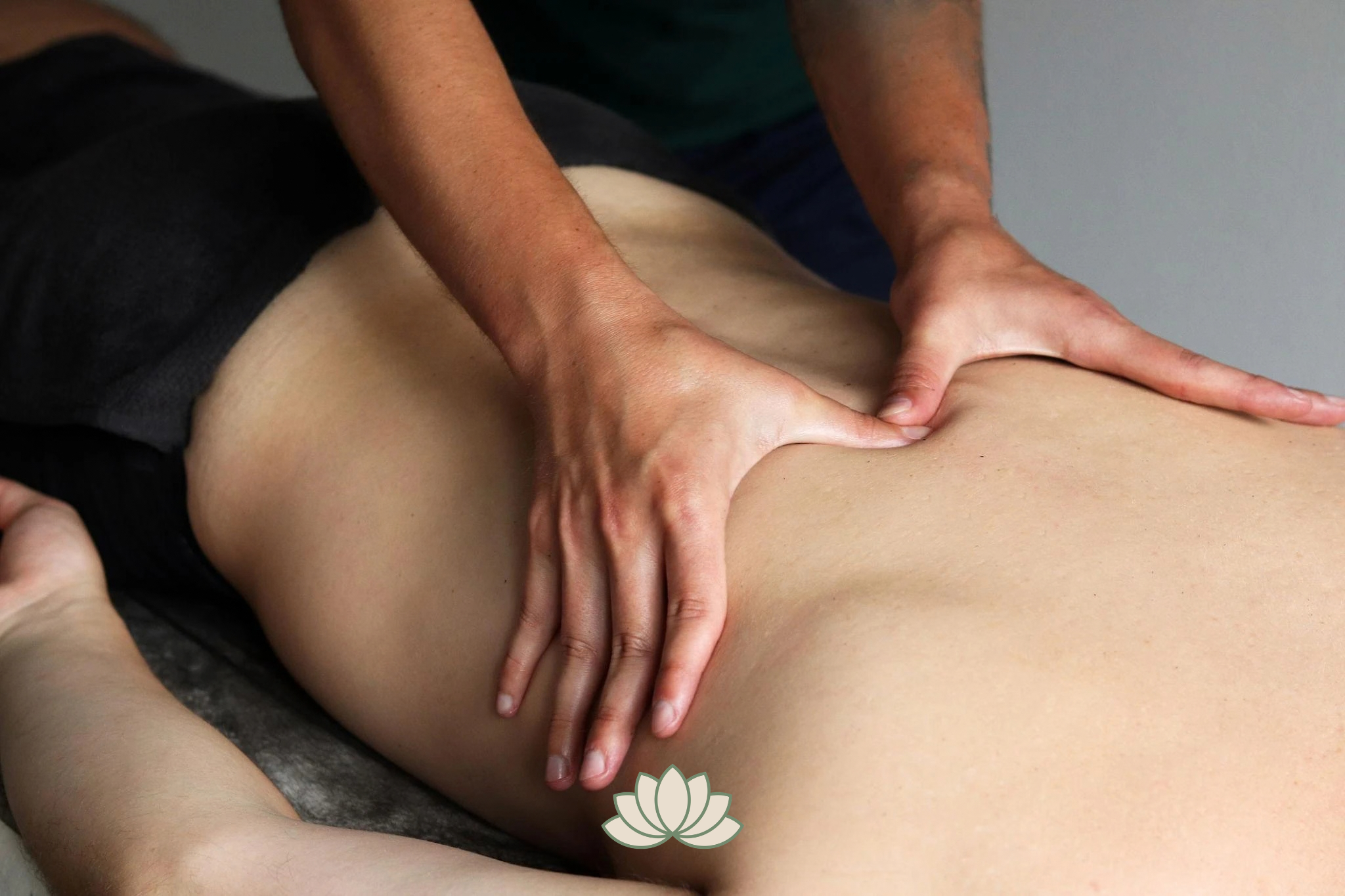
When muscle tightness keeps coming back or interferes with daily life, professional care can help identify what self-care can't. Massage therapy often plays a central role because it can reduce tension, improve body awareness, and support mobility. Depending on the source of the tightness, techniques like chronic pain massage, deep tissue massage, and acupressure massage may all be appropriate.
For some people, deeper structural work is needed; for others, the nervous system needs a chance to calm down. In cases involving broad restrictions in the fascia, myofascial therapy may help restore freer movement. If swelling or inflammation is part of the picture, lymphatic drainage massage can be another useful option to discuss with a qualified practitioner.
Why Massage Therapy Can Help Muscle Tightness
Reducing Tension in Both Muscles and Fascia
Massage therapy works on more than just the muscle belly. It can also influence fascia, circulation, and the nervous system’s perception of safety. When those systems begin to settle, tissue often feels more pliable and movement becomes easier. That's why many people experience immediate relief even if the underlying pattern took months to build.
In the massage therapy industry, continuing education on technique matters. Therapists who understand how to work with muscle tone, trigger points, and fascial restriction can better tailor care to the client’s needs. This is especially important for people with chronic tension, athletic overuse, or complex pain patterns that don't respond well to a generic session.
Supporting Better Posture and Movement Habits
Massage is most effective when it supports new movement habits rather than serving as a one-time fix. After tissue softens, people often find it easier to stand, sit, walk, and breathe with better alignment. This can create a useful window for strengthening and mobility work.
For clients whose tightness is tied to posture, repetitive work, or nervous system overload, clinical massage can be a strong fit because it is designed to address movement restrictions and better regulation. A thoughtful therapist will also help you understand which habits may be reintroducing the tension so you can maintain progress between sessions.
Real-World Example: Athletes and Active Adults
One clear example comes from athletes who use massage as part of their recovery routine. In practice, regular deep tissue work often helps reduce chronic tightness, improve flexibility, and lower post-exercise soreness. Many athletes report they recover more consistently when massage is paired with stretching, hydration, and sleep discipline.
This pattern isn't limited to sports. Active adults who lift weights, do yard work, commute long hours, or care for family members often experience similar benefits. When tension has a repeated cause, the best results usually come from a combined strategy rather than a single technique.
When Muscle Tightness Needs Medical Attention
Warning Signs You Shouldn't Ignore
Not every tight muscle is harmless. If tightness is sudden, severe, linked to injury, or accompanied by swelling, numbness, weakness, fever, or unexplained weight loss, you should seek medical attention. The same is true if pain spreads, movement becomes more limited, or symptoms don't improve with self-care.
It's also important to pay attention when tightness affects daily function. If you can't sleep well, work comfortably, or participate in normal activities because of persistent tension, that's a strong sign the issue needs more than home remedies. Early assessment can prevent a manageable problem from becoming a long-term one.
How to Talk with a Healthcare or Massage Professional
When you ask for help, describe where the tightness is, how long it has been present, what makes it better or worse, and whether there are other symptoms. This information helps a practitioner separate simple overuse from a more complex issue. If you're unsure whether massage is appropriate, a qualified therapist can help you decide whether to refer out or coordinate care.
For those in the area, massage therapy in Lombard, IL can be a convenient way to explore supportive care close to home. In some cases, a combination of professional bodywork and medical evaluation offers the most complete picture.
How to Prevent Tightness from Returning
Create a Recovery Routine You Can Actually Keep
The best prevention plan is the one you will use consistently. That might include a five-minute morning mobility routine, a short walk after lunch, and a simple evening wind-down. Small habits matter because they interrupt the cycle of sitting, stress, and guarded movement that often drives chronic tightness.
Think of prevention as maintenance rather than repair. Just as a car runs better with regular service, your body benefits when you treat flexibility, circulation, and recovery as ongoing needs. This mindset makes tightness less of a surprise and more of a useful signal you know how to respond to.
Address the Root Cause, Not Only the Symptom
If tightness always appears in the same place, ask what that area is doing for the rest of the body. Are your glutes underperforming? Are you clenching your jaw during stressful tasks? Is one side of your body doing more work than the other? Root-cause thinking leads to better outcomes than repeatedly treating the same spot without changing the pattern behind it.
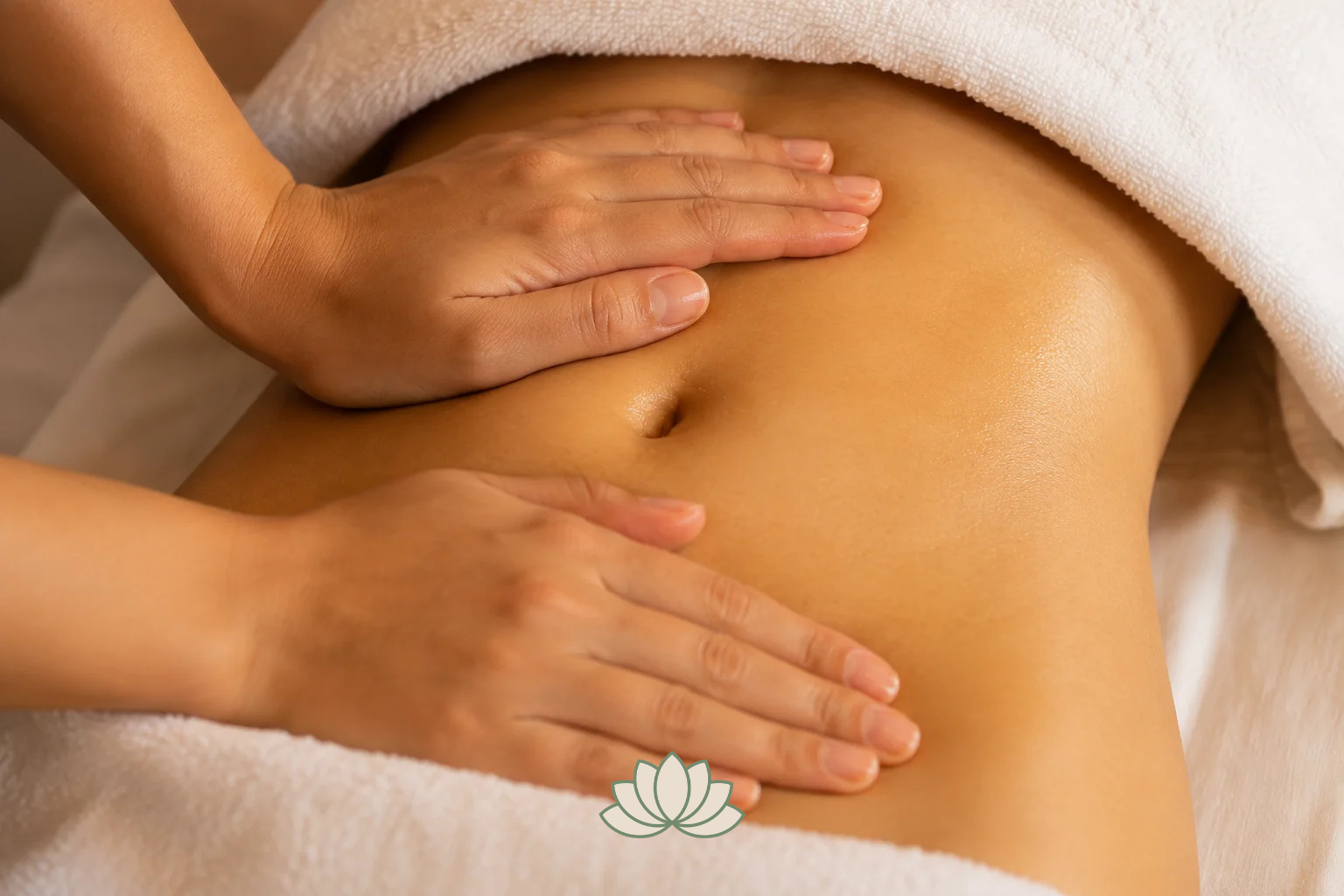
That is one reason personalized care matters. Services like pelvic support massage and abdominal massage can be useful when tension is related to posture, breathing mechanics, or deep core guarding. These areas are often overlooked, yet they can play a major role in how the whole body feels.
Use Professional Support as Part of a Long-Term Plan
Many people do best when they combine home care with periodic bodywork. A massage therapist can help you identify recurring patterns, suggest practical adjustments, and provide focused treatment when tension starts building again. If your muscle tightness is connected to ongoing pain or chronic stress, regular sessions may be more effective than waiting until symptoms are severe.
For those seeking a calm, supportive experience, craniosacral therapy may also be worth considering as part of a broader wellness routine. Different bodies need different tools, and the best plan often changes over time as your activity, stress, and recovery needs shift.
Frequently Asked Questions About Muscle Tightness
What Causes Muscle Tightness Most Often?
The most common causes include overuse, stress, dehydration, poor posture, and lack of recovery. Sometimes, it's connected to a medical condition or protective guarding around pain. If the tightness keeps returning, it usually means the body is responding to a recurring pattern rather than a one-time event.
How Can I Relieve Muscle Tightness at Home?
Start with gentle stretching, walking, heat, hydration, and deeper breathing. If the area is painful after an injury, avoid aggressive stretching until you know what's happening. If symptoms are mild but persistent, consider using home care as a short-term step and seek professional input if the problem keeps coming back.
When Should I See a Professional?
You should seek professional care when tightness lasts more than a few days, limits movement, worsens over time, or appears with concerning symptoms. A qualified massage therapist or healthcare provider can help determine whether the issue is muscular, postural, stress-related, or something that needs medical evaluation. If you want to learn more about what effective recovery can look like, our article on bodywork therapy tips for relaxation and recovery provides useful next steps.
Final Thoughts: Listen to the Signal Before It Becomes a Pattern
Muscle tightness is more than a nuisance. It's a message about how your body is coping with stress, movement demands, recovery, and daily life. When you respond early, you can often prevent the tightness from becoming a longer-term problem that affects posture, performance, and comfort.
The most effective approach is usually a combination of movement, hydration, stress management, and targeted bodywork. If you're ready for support that's tailored to your body, consider exploring chronic pain massage or scheduling a session to see which approach fits your needs best. Free Movement Bodywork is here to help you move with greater ease, reduce tension, and feel more connected to your body.
To take the next step, visit Free Movement Bodywork or call (630) 384-9128. If muscle tightness has been speaking up, now is a good time to listen.
For additional context on muscle symptoms, the NIAMS overview of fibromyalgia and the Mayo Clinic guide to muscle pain can also provide helpful background.